グルココルチコイド誘発性骨粗鬆症の管理と治療のガイドライン2023
書籍が販売されている。英文の論文は公開されている
Tanaka Y, J Bone Miner Metab (2024) https://pubmed.ncbi.nlm.nih.gov/38538869/
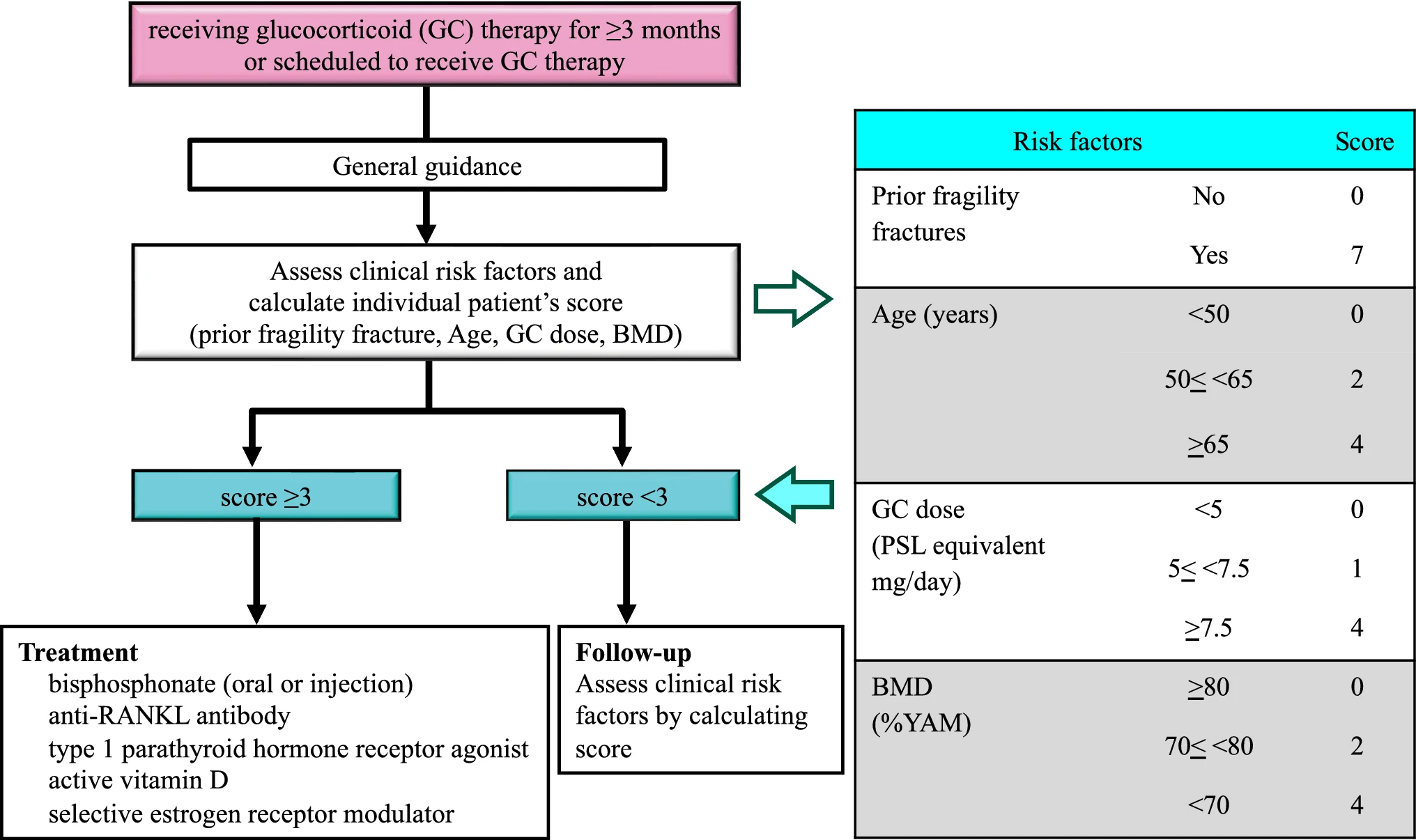
Fig. 1 The 2023 Guidelines for the Management and Treatment of Glucocorticoid-induced Osteoporosis published by the Japanese Society for
Bone and Mineral Research. BMD bone mineral density, GC glucocorticoid, PSL prednisolone, YAM young adult means
AI要約
Title (English / Japanese)
The 2023 Guidelines for the management and treatment of glucocorticoid-induced osteoporosis
2023年版グルココルチコイド誘発性骨粗鬆症の管理および治療ガイドライン
Journal Name & Publication Year
Journal of Bone and Mineral Metabolism(2024年)
First and Last Authors
First: Yoshiya Tanaka
Last: Seiji Fukumoto
First Affiliations
The First Department of Internal Medicine, School of Medicine, University of Occupational and Environmental Health, Japan
Abstract
合成グルココルチコイド(GC)は自己免疫疾患などの治療で広く用いられるが、副作用の25%を占めるGC誘発性骨粗鬆症(GIOP)は、30~50%の患者に骨折を引き起こし、QOLを著しく低下させる。日本骨代謝学会(JSBMR)は2014年にGIOPの治療ガイドラインを改訂し、骨折歴、年齢、GC投与量、骨密度などのリスク因子のスコアに基づく治療基準を示した。本研究ではGRADE法に基づく17のクリニカルクエスチョン(CQ)を設定し、システマティックレビューとデルファイ法による合意形成を経てガイドラインを改訂した。GC治療を受ける患者には、ビスホスホネート製剤、抗RANKL抗体、テリパラチド、エルデカルシトール、SERMの使用が推奨される。
Background
GCは抗炎症作用や免疫抑制作用を持ち多くの疾患に使用されるが、骨芽細胞や骨細胞のアポトーシス誘導、骨形成抑制、破骨細胞活性化を通じて骨量・骨質を急速に低下させ、骨折リスクを著しく高める。
Methods
GRADE法に基づき、JSBMRの委員会が17のCQを作成し、PubMedおよびScopusで2000年以降の文献検索を実施。一次・二次スクリーニングを経て、エビデンスレベルを評価し、デルファイ法による合意形成で推奨を策定した。
Results
ビスホスホネート(内服・注射)、抗RANKL抗体、テリパラチド、エルデカルシトール、SERMが推奨薬剤。リスクスコア3点以上の患者を治療対象とし、特に高齢者ではGC投与と同時に骨粗鬆症治療を開始することが推奨される。CQごとの詳細な推奨、エビデンスレベル、合意度も記載。
Discussion
GC誘発性骨粗鬆症の発症メカニズム、各種薬剤の有効性、患者層別(小児、高齢者、妊娠可能女性)への対応などを網羅的に整理。薬剤の有効性比較ではテリパラチドと抗RANKL抗体がビスホスホネートより優れるとされた。
Novelty compared to previous studies
2014年版ガイドラインに基づくリスクスコア評価を踏襲しつつ、新規薬剤のエビデンスを加味し、CQ形式での推奨を詳細化。ネットワークメタ解析やRCTを含むシステマティックレビューの採用により、より科学的根拠に基づいた推奨を提示。
Limitations
一部のCQでは高品質なRCTが不足しており、ナラティブレビューに依存した推奨もある。特に小児や妊娠可能女性への治療に関するエビデンスが乏しい。
Potential Applications
臨床現場でのGC使用時における骨粗鬆症予防・治療の指針として活用可能。一般内科医や他領域の医師にも理解しやすく構成されており、診療の標準化とQOL向上に貢献する。
CQ 3: How is the development of GIOP associated with the GC doses?
[Recommendation] Since the development of GIOP depends on the dose and duration of GC therapy, it is recommended to initiate the administration of GCs at the lowest dose possible and to immediately reduce the GC doses according to the pathological condition of the primary disease.Evidence level: D; recommendation grade: 1; consensus level: 8.9
The 6 articles extracted by systemic literature review were used as the basis for the narrative review. GCs cause GIOP as well as abnormal metabolism such as glucose and lipid.
Simultaneously, GCs are a risk factor for opportunistic infections, cardiovascular disorders, and cerebrovascular disorders and many. Thus, it is emphasized that indication of GCs should be decided carefully and GCs should be administered at the minimum necessary dose for the shortest duration after considering whether the benefits of GC therapy outweigh the risks [Suppl. Ref. 33–38].
グルココルチコイド誘発性骨粗鬆症(GIOP)